

Buddhist Philosophy in Intervention – Religion or Science?
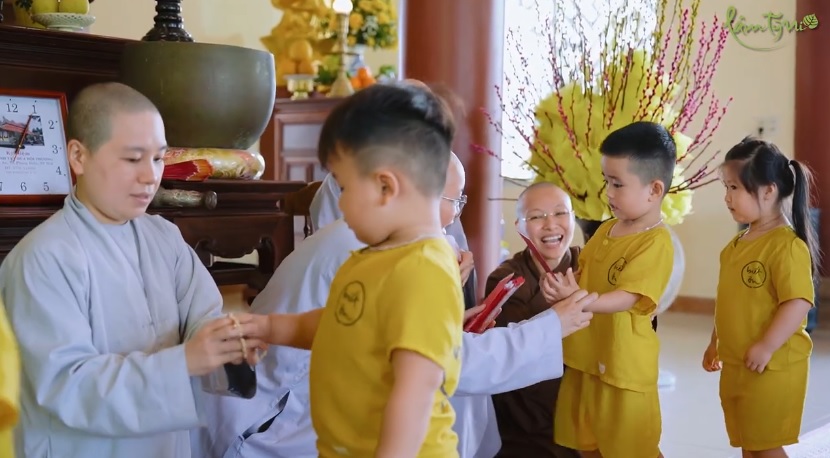
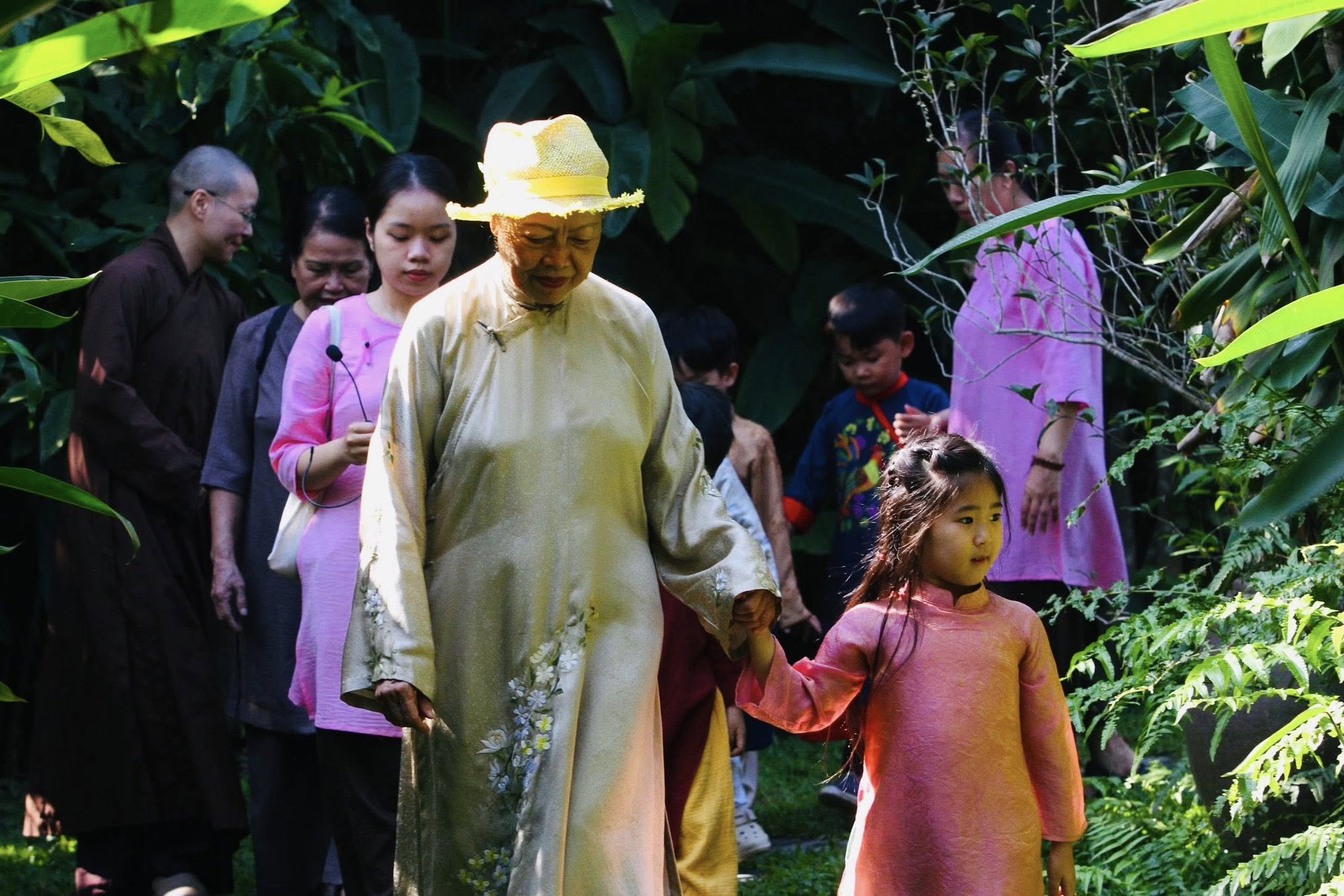
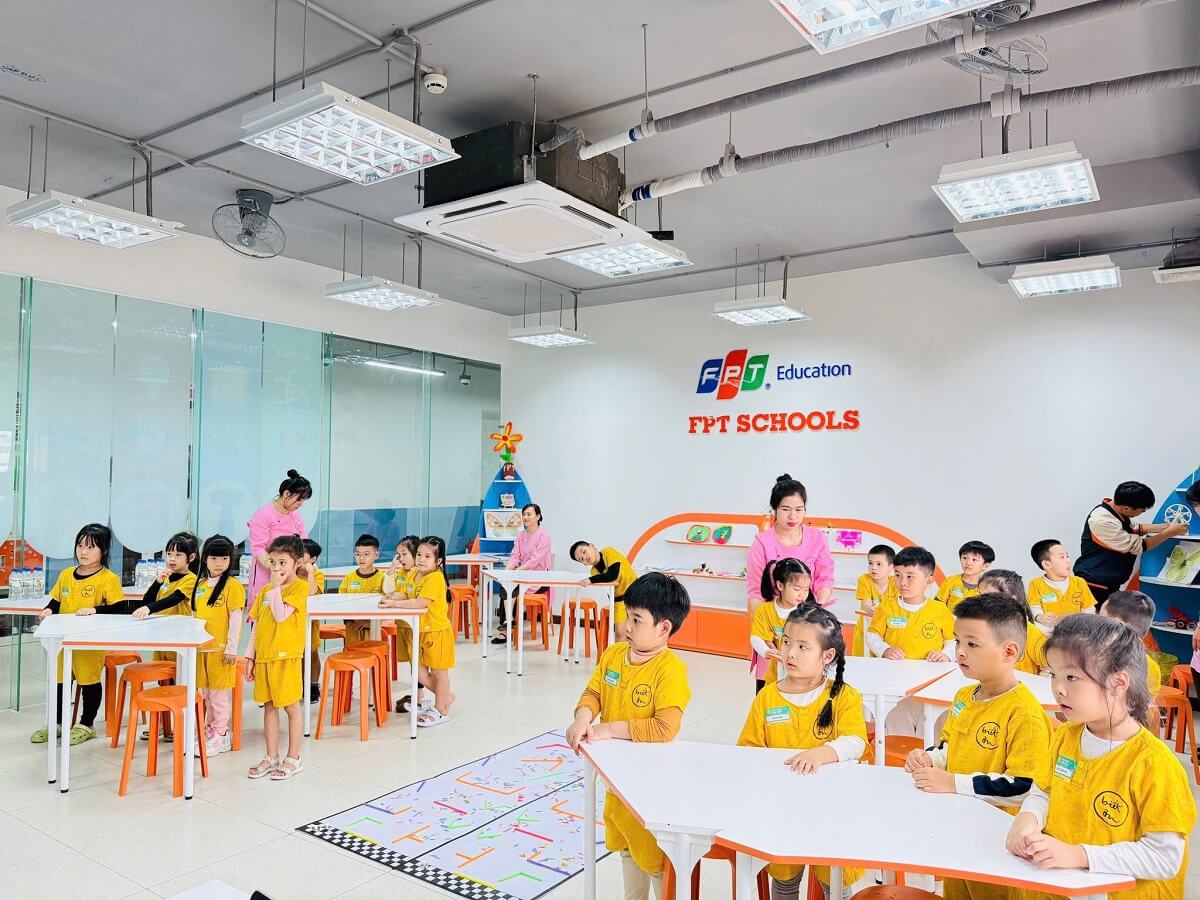
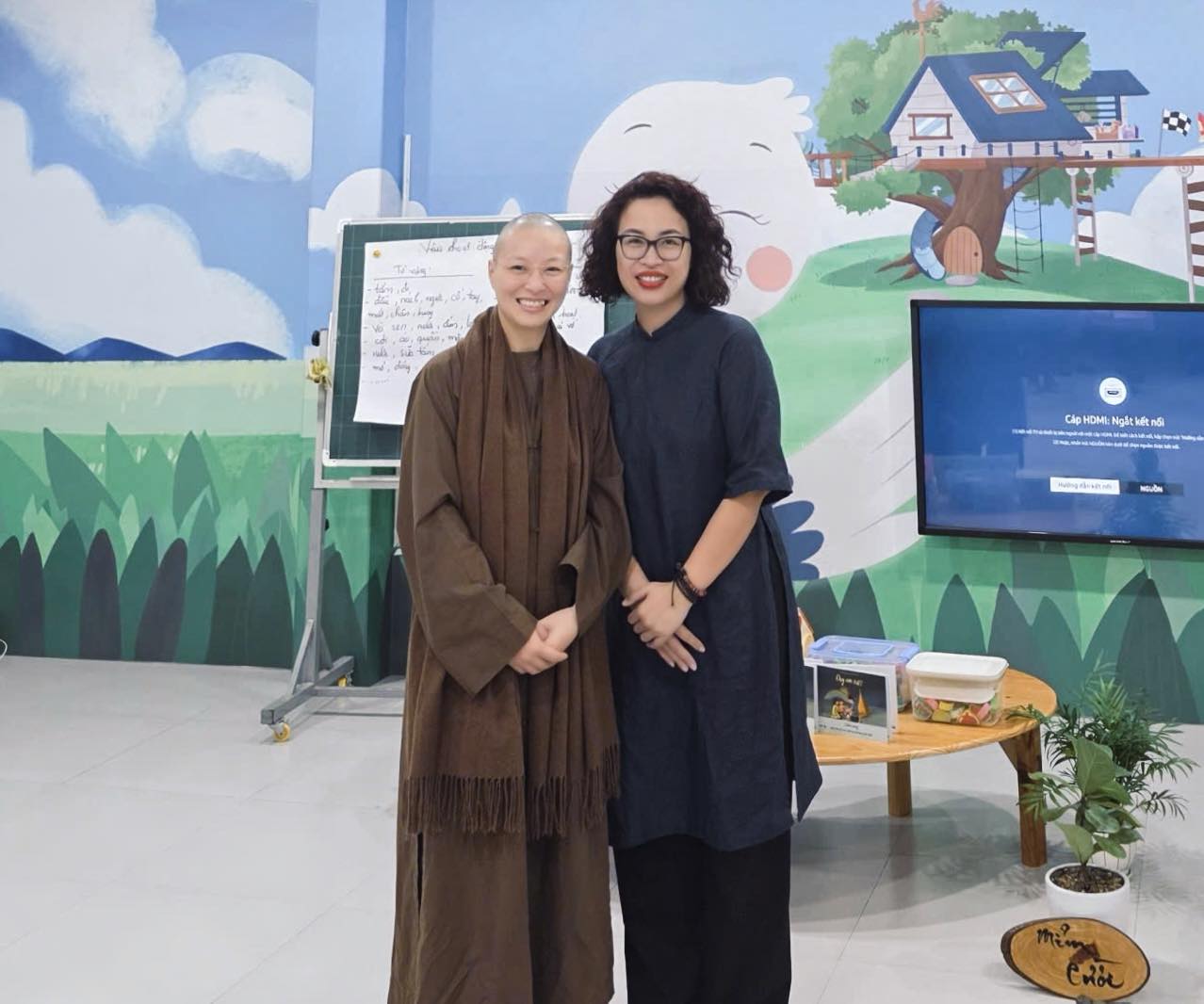
I’ve spent 25 years in medicine and 14 years in speech therapy, but only in the last three years have I truly explored Buddhism (and even then, only at a basic level). Thankfully, these last days of the year, under the usual rainy weather in Hue, with the calm and leisurely pace typical of Hue people, I’ve had the opportunity to work and teach in an educational environment steeped in the profound humanistic spirit of Buddhism.
I’d like to share with you my personal reflections and insights – the professional ethics and work ethic that I faithfully pursue – on the deep harmony between the principles of Buddhism and modern therapeutic philosophy for children with special needs. I don’t want to “Buddhize” therapy, nor do I dare label science as spiritual; I simply want to share my perspective on this harmony: respecting the individual in their journey to becoming themselves.
1️⃣ Impermanence and Child Development:
Impermanence means that no state is fixed; everything is constantly changing.
In special needs therapy, this is a fundamental principle, yet often overlooked.
✔️The child today is not the same child as three months ago.
✔️An appearance of a behavior does not indicate the child’s permanent nature.
✔️A slow phase does not mean a lifetime of slowness.
When adults forget impermanence, they easily fall into: premature labeling, premature despair, and forcing children to follow a process even when they are not ready.
Conversely, if therapists understand impermanence, they will observe the process instead of clinging to the outcome, adjust goals flexibly, allow children to progress at their own pace, and learn in a way that allows them to learn.
Impermanence helps adults maintain realistic hope, not blind hope.
2️⃣ Mindfulness and Clinical Observation
Mindfulness means being fully present with what is happening, without hasty interpretations.
This is the core of high-quality clinical observation.
✔️See what the child is doing, not think about what the child “should have done.”
✔️Listen to the signals the child makes, not immediately label them as “not speaking” and then force them to speak.
✔️Observe their eyes, gestures, and expressions to understand them instead of just looking at a checklist and crossing things out.
A therapist lacking mindfulness easily misses small but important signals from the child, mechanically applying knowledge without careful consideration, frantically following a plan rather than adapting to the child.
Mindfulness helps adults read the unspoken language of children.
3️⃣ Formlessness and the Essence of Ability:
Formlessness reminds us that the essence of things does not lie in their outward form. In therapy, we need to understand that if a child:
✔️ Doesn’t speak, it doesn’t mean they have nothing to say.
✔️ Doesn’t make eye contact, it doesn’t mean they don’t want to connect.
✔️ Doesn’t obey commands, it doesn’t mean they are defiant.
The abilities of children with special needs are often fragmented, hidden beneath unusual behavior, and obscured by sensory and emotional issues.
If we only look at the “appearance,” adults will: Underestimate the child—> teach at too low a level or in the wrong direction—> further disrupt the child’s development.
Seeing the “invisible form” means seeing potential before seeing skills, seeing obstacles before concluding the child is acting intentionally!
4️⃣ Don’t label and don’t equate the child with a diagnosis.
In Buddhism, not labeling means not equating the dynamic reality with a fixed concept. In therapy:
❌ The child is not “an autistic child”
❌ The child is not “a hyperactive child”
❌ The child is not “a severe case”
Diagnosis is merely a guiding tool, a common language among professionals, not the child’s identity—it cannot tell the whole story. Not labeling helps practitioners maintain an open mind, and children retain their dignity.
5️⃣ Avoid comparisons, as every child develops at their own pace.
Comparison is the root of all suffering in both life and education.
❌Comparison with other children
❌Comparison with siblings
❌Comparison with “age standards”
In therapy, comparisons cause parents to lose peace of mind, and educators to become impatient—> children feel pressured and controlled! The philosophy of not comparing doesn’t mean abandoning standards, but rather:
✅ Using standards to guide
❌ Not using standards to judge
Each child has their own pace of development with a different starting point and roadmap.
6️⃣ Avoid greed, anger, and delusion. Greed, anger, and delusion are very evident in therapy if adults don’t reflect on themselves.
❌ Greed: wanting the child to progress quickly, speak early, and be like a “normal” person.
❌ Anger: frustration when the child doesn’t cooperate or make progress.
❌ Delusion: believing there is only one right method, one single path.
When greed, anger, and delusion dominate: Therapy becomes a battle—> children learn under stress, leading to outbursts or escape.
Conversely, a mindful therapist will: teach with patience, adjust with wisdom, and connect with compassion.
Buddhist philosophy and the philosophy of child therapy particularly converge in their perspective on human nature.
🍀See the process instead of the result
🍀See the essence instead of the appearance
🍀See the person instead of the diagnosis
🍀See the relationship instead of the exercise
And above all, both remind us adults of one thing: to be able to accompany children with special needs, we must first cultivate ourselves.
Dr. Hoang Oanh
(Hue – days of transition to a new age, a new spirit…)
LAM TY NI KINDERGARTEN
Address: 25 Truong Gia Mo, Vy Da Ward, Thuan Hoa District, Hue City.
Hotline (Zalo): 0355100369
Youtube: https://www.youtube.com/@MamNonLamTyNi
Website: www.lamtyni.edu.vn, #mamnonlamtyni, #mamnonphatgiaodautienohue, #trươngmamnonphatgiaoohue, #mamnonchatluongcao, #mamnonkhuvucVyDa, #chanhniem, #dayhoctheoduan